Metal Roofing Contractor in St. Louis & St. Charles County, MO
Premium Standing Seam Metal Roofing Built for Missouri Weather
A metal roof is only as good as the system behind it. The steel gauge, panel profile, fastening system, seams, underlayment, flashing, coatings, and installation methods all play a major role in how your roof looks and performs.
Trusted Roofing Exteriors installs professional metal roofing systems throughout St. Louis and St. Charles County, including premium standing seam, snap-lock, mechanically seamed, concealed-fastener, and exposed-fastener roofing systems.
Whether you’re replacing an aging shingle roof or upgrading your property with architectural standing seam metal, we’ll help you understand the differences and select the right roofing system for your home or building.
Premium Materials. Professional Installation. Built for Long-Term Performance.
✓ Family Owned
✓ BBB A+ Rated
✓ Fully Insured
✓ Serving Missouri Since 2001
NOT ALL METAL ROOFS ARE THE SAME
Know What You're Getting Before You Compare Metal Roofing Estimates
Two contractors can both quote a “metal roof” while proposing completely different roofing systems.
The differences may include:
- 24, 26, or 29-gauge steel
- Standing seam vs. exposed-fastener panels
- Snap-lock vs. mechanically seamed panels
- Concealed clips vs. exposed screws
- Class 4 impact-rated vs. non-rated products
- Panel width and seam height
- Steel and coating quality
- Underlayment
- Roof slope requirements
- Flashing systems
- Ventilation
- Installation methods
That’s why comparing metal roofing estimates based only on price can be misleading.
At Trusted Roofing Exteriors, we help you understand the complete roofing system you’re purchasing, not simply the price per square.
PREMIUM STANDING SEAM METAL ROOFING
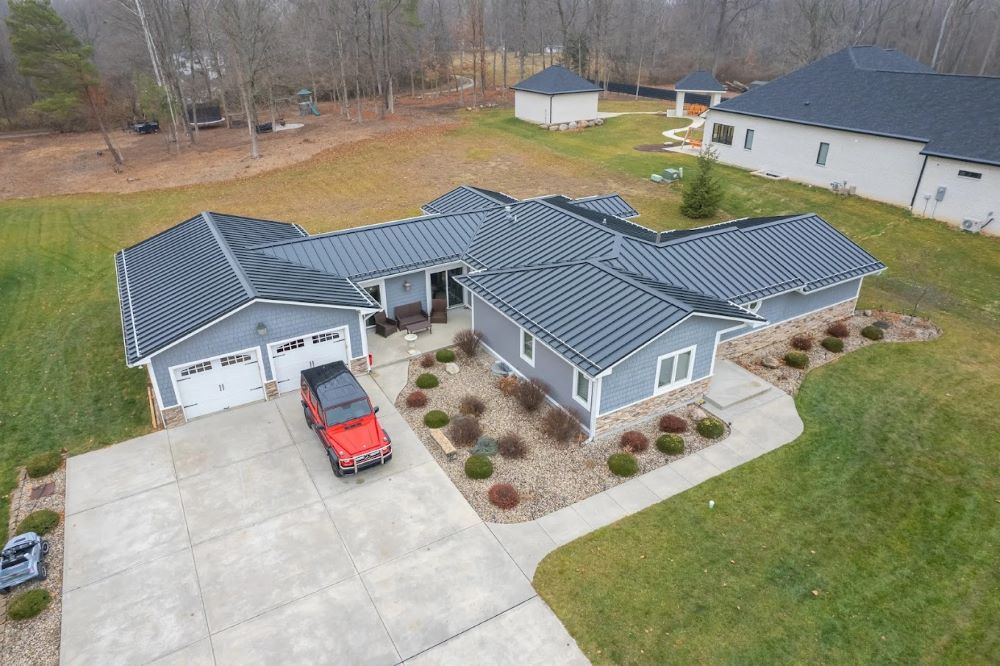
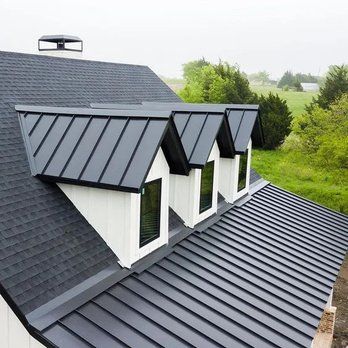
Standing seam is one of the most attractive and high-performing architectural metal roofing systems available.
Long metal panels run vertically from the eave toward the ridge, with raised seams connecting adjacent panels. With concealed-fastener systems, the primary fastening components are hidden beneath the finished roofing surface.
The result is the distinctive clean, uninterrupted appearance associated with premium architectural metal roofing.
Benefits of Standing Seam Metal Roofing
✓ Concealed fastening options
✓ Clean architectural appearance
✓ Excellent weather protection
✓ Designed to accommodate thermal movement
✓ Long service life
✓ Low maintenance
✓ Exceptional curb appeal
✓ Multiple colors and finishes
✓ Excellent residential roofing option
SNAP-LOCK STANDING SEAM
What Is Snap-Lock Standing Seam?
Snap-lock is one of the most popular concealed-fastener standing seam systems for residential metal roofing.
The panels are manufactured with interlocking vertical seams designed to snap together during installation.
Rather than rows of screws being driven through the exposed surface of the panels, the roofing system typically uses concealed clips or fastening flanges beneath the finished metal.
Advantages of Snap-Lock Standing Seam
✓ No rows of exposed screws
✓ Clean, modern appearance
✓ Concealed fastening system
✓ Designed to accommodate panel movement
✓ Excellent residential application
✓ Fewer exposed maintenance points
✓ Multiple architectural colors and profiles
Storm Damage FAQs
Hail damage can be difficult to identify from the ground. A professional roof inspection can check shingles, flashing, vents, gutters, and other exterior components for visible signs of storm damage.
You can have your roof inspected first to better understand whether visible storm damage is present. Decisions about filing a claim should be made by you based on your circumstances and insurance policy.
Yes. When requested, we can meet with the adjuster at the property to review the roofing damage we’ve documented and discuss the proposed roofing scope.
We regularly complete roofing projects involving insurance claims and can provide roofing documentation, estimates, photographs, measurements, and other construction information related to our scope of work.
Coverage and claim decisions are made by your insurance carrier.
No. The appropriate solution depends on the extent of damage and the condition of the existing roof. Some roofs can be repaired, while more extensive damage may require replacement.
Have the roof inspected promptly. Water intrusion can lead to additional damage to insulation, decking, ceilings, walls, and other areas of the home.
Get Started Now
Areas We Serve
- St. Charles
- St. Peters
- O'Fallon
- Lake St Louis
- St Louis
- Wentzville
- Chesterfield
- Ballwin
- Creve Coeu


MECHANICALLY SEAMED STANDING SEAM
Snap-Lock vs. Mechanically Seamed Standing Seam
Mechanically seamed metal roofing takes a different approach to joining the panels.
Instead of relying solely on an interlocking snap connection, specialized seaming equipment is used to fold and mechanically lock the panel seams after installation.
Depending on the roofing system, this may include single-lock or double-lock seam configurations.
Mechanically Seamed Advantages
✓ Concealed fasteners
✓ Mechanically locked seams
✓ Excellent weather resistance
✓ Strong protection against wind-driven rain
✓ Options for demanding roof conditions
✓ Available for certain lower-slope applications
✓ Premium standing seam appearance
HIDDEN VS. EXPOSED FASTENERS
Hidden / Concealed Fastener Metal Roofing

Why Choose Concealed Fasteners?
✓ Cleaner architectural appearance
✓ Fewer exposed penetrations
✓ Designed to accommodate thermal movement
✓ Less dependence on exposed sealing washers
✓ Premium residential appearance
✓ Excellent long-term roofing solution
For homeowners investing in a premium metal roofing system, concealed fastener standing seam is often our preferred option when appropriate for the roof.
What Is an Exposed-Fastener Metal Roof?

With an exposed-fastener system, screws are installed directly through the metal roofing panels and into the structure below.
The screw heads remain visible across the finished roof.
These fasteners typically incorporate sealing washers designed to help prevent water from entering around the penetrations.
Advantages of Exposed-Fastener Roofing
✓ Lower initial cost
✓ Straightforward installation
✓ Durable when properly installed and maintained
✓ Excellent for many garages and workshops
✓ Popular for barns and agricultural buildings
✓ Appropriate for certain residential and commercial applications
Because the screws and sealing washers remain exposed to sunlight, rain, snow, ice, and temperature changes, they become maintenance points that should be inspected during the life of the roofing system.
An exposed-fastener roof can be an appropriate roofing system, but it shouldn’t be compared as an identical product to a premium concealed-fastener standing seam roof.
What's the Difference Between 24, 26 & 29-Gauge Metal?
Metal roofing thickness is commonly described using gauge.
The important thing to remember is:
LOWER GAUGE NUMBER = THICKER STEEL
24 Gauge = Thicker
26 Gauge = Thinner Than 24 Gauge
29 Gauge = Thinner Than 26 Gauge
Gauge is an important specification, but it shouldn’t be the only factor used to judge the quality of a roofing system.

24-Gauge
Premium Heavy-Duty Metal Roofing
24-gauge steel is commonly used for premium architectural standing seam and demanding commercial applications.
Its additional thickness provides greater rigidity than lighter-gauge steel and can be advantageous where additional strength and durability are desired.
✓ Greater panel rigidity
✓ Thicker steel
✓ Increased resistance to deformation
✓ Premium architectural applications
✓ Residential and commercial applications
✓ Excellent standing seam option
26-Gauge
Excellent Balance of Performance & Value
26-gauge steel is extremely popular for quality residential and commercial metal roofing.
It provides an excellent balance between durability, weight, appearance, and overall project cost.
For many residential standing seam projects, a properly designed 26-gauge system provides an excellent combination of performance and value.
29-Gauge
Economical Metal Roofing Option
29-gauge steel is thinner than both 24 and 26 gauge.
It is commonly associated with economical exposed-fastener systems, pole barns, agricultural buildings, garages, workshops, and utility buildings.
29 gauge can perform well when the roofing system is properly designed and installed.
However, a 29-gauge exposed-fastener roof is not the same roofing system as a 24- or 26-gauge concealed-fastener standing seam roof.
Gauge Comparison
Important: Actual steel thickness and specifications can vary by manufacturer and product. Gauge alone does not determine the quality or performance of a complete roofing system.
Gauge | Relative Thickness |
| Common Application | Position |
24 Gauge | Thicker |
| Premium standing seam / residential / commercial | Premium |
26 Gauge | Medium |
| Standing seam / residential / commercial | Excellent Balance |
29 Gauge | Thinner |
| Exposed fastener / garages / barns / agricultural | Economical |

CLASS 4 IMPACT-RESISTANT METAL ROOFING
Added Protection Against Hail
St. Louis and St. Charles County experience severe thunderstorms and hail, making impact resistance an important consideration when selecting a roofing system.
Certain metal roofing products are available with a UL 2218 Class 4 impact rating, which is the highest classification under this particular impact-resistance testing standard.
What Does Class 4 Impact Rated Mean?
UL 2218 evaluates roofing products for impact resistance using controlled laboratory testing.
Products that successfully meet the requirements of the highest classification receive a:
CLASS 4 IMPACT RATING
Benefits of Class 4 Impact-Rated Metal Roofing
✓ Highest classification under UL 2218
✓ Tested for resistance to significant impact
✓ Excellent consideration for hail-prone areas
✓ Additional peace of mind during severe weather
✓ Available with select metal roofing products
✓ May qualify for insurance discounts with certain carriers
Insurance discounts vary by carrier, policy, roofing product, and location. Homeowners should verify eligibility directly with their insurance provider.
Class 4 Does NOT Mean Hail-Proof
Class 4 impact rating does not mean a metal roof cannot be damaged by hail.
Severe hail can potentially dent, deform, or cosmetically damage metal roofing even when the product carries a Class 4 impact rating.
The rating means that the specific roofing product or assembly successfully met the requirements of the applicable laboratory impact test. It should not be interpreted as a guarantee against all hail damage.
Functional Damage vs. Cosmetic Hail Damage
Functional Damage:
Damage that compromises the roofing system's ability to shed water or perform as designed.
Cosmetic Damage:
Visible dents or appearance changes that may not compromise the roof's ability to protect the structure.

Insurance policies can treat cosmetic metal roof damage differently. Homeowners concerned about hail should review their insurance policy and understand how their carrier treats functional versus cosmetic metal roof damage.
Gauge & Class 4 Are Not the Same Thing
24 gauge does not automatically mean Class 4
Metal gauge describes the relative thickness of the steel
A Class 4 rating indicates that a specific roofing product or assembly successfully met the requirements of a particular impact-resistance test.
Homeowners should consider
Gauge + Impact Rating + Panel System + Fastening Method + Coating + Installation
rather than judging a metal roof by a single specification.